




18-11-2008, 04:24 PM
Charles, all I can say is that the JFK case is full of baffling enigmas. You raise valid points, but the same can be said of most aspects of the case.
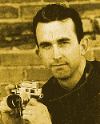
In defense of Tom, let me point out:
1. He was an electrical engineer with a specialty in computers and optics.
2. He was a vice president of US Steel in charge of quality control.
3. He was an inventor, inventing methods of using video cameras connected to computers for assembly line inspection of products. He invented something which he called a "light valve" which could withstand the heat of steel production to perform inspections without the use of glass lenses.
4. He developed a massive database of grayscales of hundreds of things which enabled him to tentatively identify the composition of things seen by a lens. The key part of his method involved using a computer's 256-tone grayscale and assigning pseudo-colors to a questionable tone. He described to me in great detail how he applied this to his first JFK subjects after seeing a JFK documentary. His first subject was Badgeman. His second was the Backyard photos. The third was the Z film. His specialty was use of the grayscale and computer pseudocolors to identify things, especially metals, on a black and white grayscale. Using Badgeman as an example, he instructed his computer to highlight in red pseudocolor anything in the Moorman photo which corresponded to the grayscale database for a silvery metal...and the badge in the photo popped out in bright red. With the help of Cyril Wecht he videotaped numerous autopsies and embalmings, and developed a database which included embalmer's wax, which he later used on the autopsy photos to show that embalmer's wax covered a wound in the right temple.
Tom was a brilliant man, and a patriot. He was naive to believe that he could use our justice system to solve the case. He was wrong to operate in total secrecy.
I have no doubt that his contacts with Teddy and Burke were real. If I were to speculate, I think that they thought that a man of Tom's credentials could expose information that they wanted someone to make public.
Jack
In defense of Tom, let me point out:
1. He was an electrical engineer with a specialty in computers and optics.
2. He was a vice president of US Steel in charge of quality control.
3. He was an inventor, inventing methods of using video cameras connected to computers for assembly line inspection of products. He invented something which he called a "light valve" which could withstand the heat of steel production to perform inspections without the use of glass lenses.
4. He developed a massive database of grayscales of hundreds of things which enabled him to tentatively identify the composition of things seen by a lens. The key part of his method involved using a computer's 256-tone grayscale and assigning pseudo-colors to a questionable tone. He described to me in great detail how he applied this to his first JFK subjects after seeing a JFK documentary. His first subject was Badgeman. His second was the Backyard photos. The third was the Z film. His specialty was use of the grayscale and computer pseudocolors to identify things, especially metals, on a black and white grayscale. Using Badgeman as an example, he instructed his computer to highlight in red pseudocolor anything in the Moorman photo which corresponded to the grayscale database for a silvery metal...and the badge in the photo popped out in bright red. With the help of Cyril Wecht he videotaped numerous autopsies and embalmings, and developed a database which included embalmer's wax, which he later used on the autopsy photos to show that embalmer's wax covered a wound in the right temple.
Tom was a brilliant man, and a patriot. He was naive to believe that he could use our justice system to solve the case. He was wrong to operate in total secrecy.
I have no doubt that his contacts with Teddy and Burke were real. If I were to speculate, I think that they thought that a man of Tom's credentials could expose information that they wanted someone to make public.
Jack